
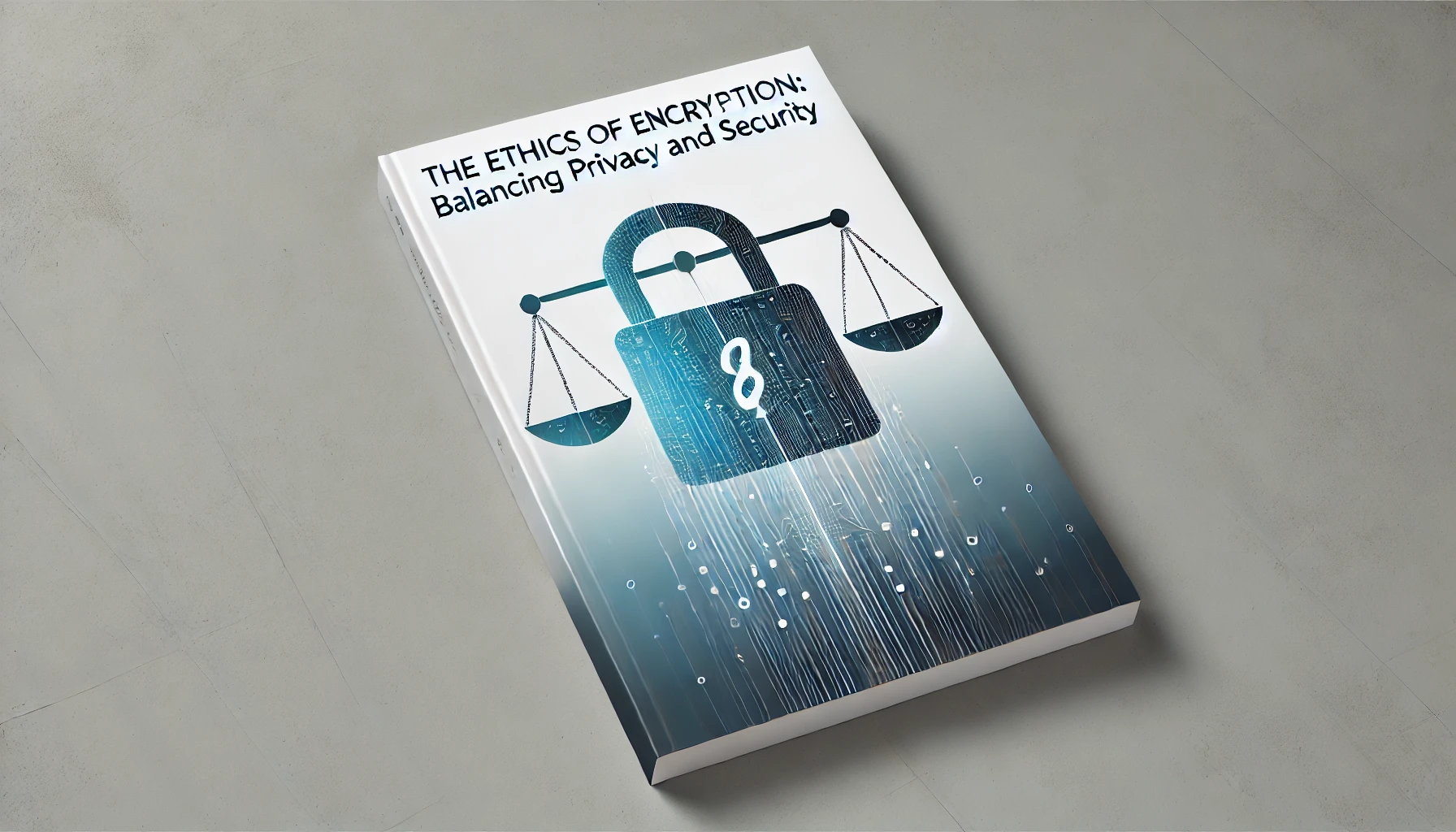
The Ethics of Encryption
Table of Contents
- Introduction
- What is Encryption?
- Why Encryption Matters
- The Ethical Debate
- Case Studies in Ethical Encryption
- Implementing Encryption Responsibly
- Balancing Ethical Concerns
- Conclusion
Introduction
In an age where digital information flows freely across the globe, encryption stands as a cornerstone of security and privacy. From protecting sensitive communications to safeguarding financial transactions, encryption plays an essential role in ensuring trust in the digital world. However, its widespread adoption has sparked intense ethical debates: Should encryption be an absolute right, or does it need to be balanced with national security concerns? This article delves into the ethical dimensions of encryption, offering insights for programmers and general readers alike.
What is Encryption?
Encryption is the process of converting information into a coded format that can only be read by someone with the proper decryption key. It uses mathematical algorithms to secure data, ensuring confidentiality and integrity during transmission or storage. Common types of encryption include symmetric (e.g., AES) and asymmetric (e.g., RSA) methods.
Why Encryption Matters
Personal Privacy
Encryption empowers individuals to protect their personal information from unauthorized access. Whether it’s safeguarding emails, online banking credentials, or medical records, encryption ensures that sensitive data remains private.
National Security
Governments rely on encryption to protect classified information and secure communication channels. However, concerns arise when encryption technologies are used by malicious actors to evade surveillance.
Corporate Interests
Organizations use encryption to protect intellectual property, customer data, and financial records. This not only builds consumer trust but also mitigates the risk of costly data breaches.
The Ethical Debate
Encryption as a Right
Proponents argue that encryption is a fundamental right essential for maintaining personal privacy and freedom of speech. In a world of increasing surveillance, encryption acts as a shield against intrusive government and corporate practices.
Encryption as a Threat
Critics highlight that encryption can be exploited by criminals and terrorists to conceal illicit activities. Law enforcement agencies argue for “backdoors” to encrypted systems, which they claim are necessary to investigate and prevent crimes.
Case Studies in Ethical Encryption
The Apple vs. FBI Case
In 2016, Apple refused to create a backdoor to unlock an iPhone belonging to a suspect in a terrorism case, citing user privacy concerns. This case exemplified the tension between public safety and individual privacy.
End-to-End Encryption in Messaging Apps
Apps like WhatsApp and Signal employ end-to-end encryption, ensuring only the sender and receiver can read messages. While this bolsters privacy, it also raises concerns about the potential for misuse by malicious actors.
Implementing Encryption Responsibly
Example: End-to-End Encryption
Below is a simplified example of end-to-end encryption in Python using the PyCryptodome library:
from Crypto.PublicKey import RSA
from Crypto.Cipher import PKCS1_OAEP

# Generate RSA keys
key = RSA.generate(2048)
private_key = key.export_key()
public_key = key.publickey().export_key()

# Encrypt a message
message = "This is a confidential message.".encode('utf-8')
public_cipher = PKCS1_OAEP.new(RSA.import_key(public_key))
encrypted_message = public_cipher.encrypt(message)
print("Encrypted Message:", encrypted_message)

# Decrypt the message
private_cipher = PKCS1_OAEP.new(RSA.import_key(private_key))
decrypted_message = private_cipher.decrypt(encrypted_message)
print("Decrypted Message:", decrypted_message.decode('utf-8'))
Example: Database Encryption
For database-level encryption, SQLAlchemy’s integration with cryptographic libraries can be used:
from sqlalchemy import create_engine, Column, String
from sqlalchemy.ext.declarative import declarative_base
from sqlalchemy.orm import sessionmaker
from cryptography.fernet import Fernet

# Generate encryption key
key = Fernet.generate_key()
cipher_suite = Fernet(key)

# Encrypt and decrypt functions
def encrypt_data(data):
    return cipher_suite.encrypt(data.encode('utf-8')).decode('utf-8')

def decrypt_data(encrypted_data):
    return cipher_suite.decrypt(encrypted_data.encode('utf-8')).decode('utf-8')

# SQLAlchemy setup
Base = declarative_base()
engine = create_engine('sqlite:///:memory:')
Session = sessionmaker(bind=engine)
session = Session()

class User(Base):
    __tablename__ = 'users'
    id = Column(String, primary_key=True)
    encrypted_data = Column(String)

Base.metadata.create_all(engine)

# Example usage
encrypted = encrypt_data("Sensitive Information")
user = User(id="1", encrypted_data=encrypted)
session.add(user)
session.commit()

retrieved_user = session.query(User).first()
print("Decrypted Data:", decrypt_data(retrieved_user.encrypted_data))
Balancing Ethical Concerns
Achieving a balance between privacy and security requires collaboration among governments, tech companies, and civil society. Potential approaches include:
- Transparent Policies: Companies should clearly communicate how encryption is implemented and managed.
- Regulated Backdoors: Carefully controlled access mechanisms could allow law enforcement to investigate crimes without compromising user privacy.
- Public Education: Promoting awareness of encryption’s importance helps prevent misuse and fosters trust in digital technologies.
Conclusion
Encryption is both a protector of privacy and a potential enabler of illicit activity. Navigating its ethical implications requires careful consideration of competing interests and a commitment to responsible implementation. By understanding the principles and debates surrounding encryption, programmers and readers alike can contribute to a digital future that respects privacy while addressing legitimate security concerns.
For further reading:











Comments